Dongri Fort

About
Dongri Fort in Mumbai is one of the lesser-known Portuguese hill forts that once formed an important link in the coastal defence network of the Vasai-Uttan-Mahim region. Built in the early 1700s using local basalt stone, the fort served mainly as a lookout point over the Arabian Sea and the surrounding fishing settlements. Its strategic value made it a target during the 1737-1739 Maratha campaign led by Chimaji Appa, after which the fort eventually came under Maratha control. Over the centuries, Dongri Fort gradually lost importance and slipped into neglect, leaving behind only fragments of its original structure.

Today, the fort attracts visitors not for its architecture but for its natural setting and peaceful ambience. The hilltop offers wide panoramic views of the coastline, mangroves, creeks and the green belts of Uttan and Mira Bhayandar. Small stretches of broken ramparts, scattered stones and rocky platforms remind visitors of the fort's past, while the untouched terrain and sea breeze make it a refreshing escape from the busier parts of Mumbai.

Dongri Fort is especially popular among trekkers and cyclists who enjoy the short but scenic trail leading up the hill. The route is simple, making it suitable even for beginners who want a quick outdoor experience. Photographers appreciate the location for sunrise shots, silhouettes and sweeping landscape views. Since the site has no facilities, travellers are advised to carry water, wear sturdy footwear and plan their visit during daytime hours.

Despite its ruined state, Dongri Fort remains an interesting stop for heritage lovers who enjoy exploring forgotten historical spaces. Its quiet environment, rustic charm and connection to Mumbai's Portuguese-Maratha history make it a meaningful offbeat destination close to the city.
History

Dongri Fort in Mumbai is a peaceful hilltop heritage site that blends coastal scenery, Portuguese history and a refreshing natural ambience. Located near Uttan in the Mira Bhayandar region, the fort sits on a small hill facing the Arabian Sea and offers wide open views of the coastline, mangroves and the rural landscape around it. The fort itself is in ruins today, but its scenic viewpoints, breezy slopes and quiet surroundings make it a popular choice for trekkers, cyclists and travellers looking for an offbeat escape close to the city.

Historically known as Dongri Killa, the fort was built by the Portuguese in the early 1700s as part of their coastal defence chain. Its elevated location made it suitable for monitoring sea routes and fishing settlements along the Mumbai shoreline. The fort later became involved in the Maratha-Portuguese conflict of 1737-1739, during which Chimaji Appa’s forces captured it as part of their successful campaign leading to the victory at Vasai. Over time, especially under British rule, Dongri Fort lost its strategic significance and gradually fell into neglect.

Today, the charm of Dongri Fort lies in its natural setting rather than in preserved architecture. Visitors will find broken walls, scattered basalt stones and rocky platforms that serve as reminders of its past. The trek to the top is short and scenic, making it suitable for beginners as well. The site is especially favoured during early mornings for sunrise views and during late afternoons when the golden light enhances the coastal scenery.

The peaceful environment around the fort adds to its appeal. Surrounded by fishing villages, small churches and winding rural roads, Dongri Fort offers an experience that feels far removed from the busy urban parts of Mumbai. Travellers often spend time absorbing the coastal breeze, taking photographs, enjoying the greenery and experiencing the calmness of the hilltop. With no crowds and no commercial activity, it remains one of the region’s quietest offbeat heritage spots.

The history of Dongri Fort in Mumbai reflects the shifting control of the city’s northern coastline during the Portuguese and Maratha periods. Built by the Portuguese in the early 1700s, the fort was part of a chain of small hilltop outposts that helped monitor sea routes, fishing settlements and coastal trade across the Vasai-Uttan-Mahim belt. At that time, the region was strategically important because the Portuguese were strengthening their network of watchpoints to safeguard the northern boundaries of their territories around Vasai.

Known historically as Dongri Killa, Dharavi Fort or Irmitri Fort, this small structure was never intended to be a grand citadel. Its primary purpose was early warning and surveillance. The fort’s hilltop location offered clear views of the Arabian Sea, the rural coastline and any incoming boats. Although simple in design, its position allowed the Portuguese to track local maritime activity and spot any military movement heading toward Vasai.

The turning point in the fort’s history came during the 1737-1739 Maratha-Portuguese conflict. Under the leadership of Chimaji Appa, the Marathas launched a large-scale campaign to capture Portuguese-held territories in and around the Vasai region. Dongri Fort was one of the smaller posts targeted as part of this strategy. Its capture helped weaken Portuguese control and contributed to the larger victory at Vasai in 1739. After the Maratha takeover, the fort briefly continued to serve as a lookout point, though it never gained major military importance.

Following the rise of British influence in the region, Dongri Fort’s relevance declined rapidly. Larger, more complex forts like Vasai Fort remained in focus, while smaller structures such as Dongri Killa were gradually abandoned. Over time, erosion, human activity and lack of maintenance caused most of the fort’s walls to collapse. Only scattered remains of the original basalt masonry survive today.

Despite its ruined condition, the history of Dongri Fort adds depth to its identity as a forgotten heritage site. Its connection to the Portuguese defence line and the Maratha victory makes it a meaningful part of Mumbai’s coastal military past. Visitors who climb the hill today can trace the stories embedded in its stones — a reminder of the era when the fort watched over the northern approaches to Mumbai.

0114
Architecture & Design

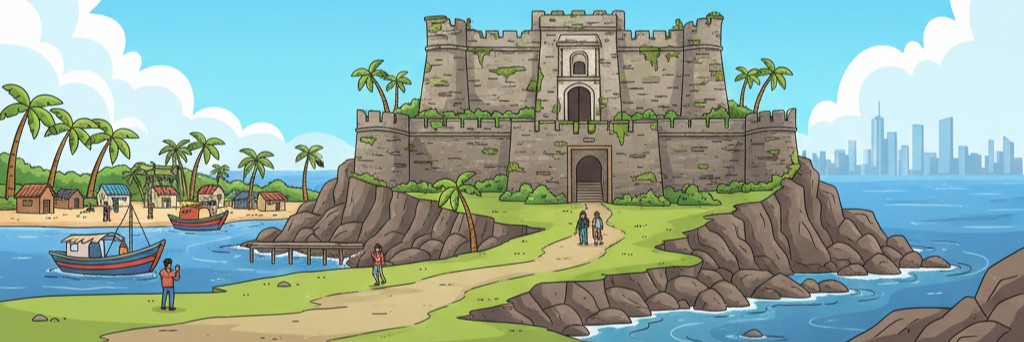
The architecture of Dongri Fort in Mumbai reflects the simplicity and practicality of Portuguese hilltop outposts built along the northern coastline. Unlike large defensive structures such as Vasai Fort, Dongri Fort was designed as a compact surveillance point, relying heavily on its elevated position rather than on extensive fortifications. Built using locally available basalt stone, the fort blended naturally with the rocky hill on which it stood, creating a rugged and understated defensive structure.

Although the fort is now in ruins, its surviving fragments offer a glimpse into its original construction. Small stretches of low rampart walls can still be seen scattered around the hilltop. These walls were intended to provide minimal protection while allowing guards to observe the coastline clearly. The placement of stones suggests the presence of small bastions or lookout points facing the Arabian Sea, which would have been used to monitor boat movements and any approaching threats.

The terrain itself played an essential role in the fort’s defensive design. The hill’s natural slope created a protective boundary, making it difficult for intruders to climb unnoticed. The higher parts of the hill likely housed simple guard posts and resting areas, though no built chambers or large structures remain today. Instead, visitors will find uneven rocky platforms that may have once supported wooden or temporary structures used by Portuguese soldiers.

Much of the fort’s original form has been lost due to erosion, weather conditions and the absence of conservation efforts. Over decades, stones have collapsed and merged into the natural landscape, leaving only faint outlines of what once existed. Still, the hilltop retains a distinct heritage aura. The broken stonework, open layout and sweeping views together create a raw and atmospheric reminder of the region’s coastal defence system.


Trekking Route & Cycling Trail

This section will explain how visitors trek or cycle up to Dongri Fort, the difficulty level and the natural setting of the route.

  • Short, beginner-friendly trek
  • Popular among cyclists from Mira Bhayandar side
  • Scenic route with sea views and greenery
  • No formal trail markers or facilities


Viewpoints & Photography Spots

The hilltop of Dongri Fort in Mumbai offers some of the most refreshing and uninterrupted coastal views in the northern part of the city. Even though the fort structure is largely in ruins, the open landscape and elevated position make it a natural viewpoint for travellers who enjoy wide horizons, photography and peaceful scenic moments. From the top, visitors can see stretches of the Arabian Sea, the green belts of Uttan, nearby fishing villages and distant coastal ridges.

The best views are available from the rocky platforms and remnants of the old ramparts scattered around the hill. These flat surfaces act as natural viewing decks, especially during early morning and late afternoon when the light is softer and more golden. During winter months, the sunrise over the eastern side casts a dramatic glow, making it a popular time for photographers and nature enthusiasts.

Popular Viewpoints at Dongri Fort

  • Rocky platforms facing the Arabian Sea
  • Small elevated edges near surviving rampart stones
  • Viewpoints overlooking Uttan and Mira Bhayandar
  • Spots facing the coastal churches and villages below

One of the highlights is the 360-degree view from the upper slopes of the hill. Visitors can walk around freely and explore different vantage points without any obstructions. The openness of the site allows you to capture a range of landscape styles — from wide-angle shots and silhouettes to coastal textures, greenery and rustic village scenes.

Why Photographers Love Dongri Fort

  • Soft and warm sunrise light
  • Clean coastal skyline without tall buildings
  • Natural stone textures for foreground composition
  • Breezy environment that enhances drone footage (when permitted)
  • Calm atmosphere ideal for long-exposure shots

The fort is also a great place for travellers who simply enjoy taking pictures with their phones. The scenery is naturally beautiful, so even casual visitors end up capturing memorable photographs. Because there are no crowds, it is easy to find quiet corners to set up a tripod or wait for the perfect shot.

Overall, the viewpoints at Dongri Fort make the trek worth the effort, offering a peaceful combination of natural beauty, coastal landscapes and a camera-friendly environment ideal for both beginners and seasoned photographers.

0414
Visitor Experience

The visitor experience at Dongri Fort in Mumbai is defined by peace, open landscapes and a refreshing coastal ambience that feels far removed from the city’s usual noise. Unlike popular tourist spots, Dongri Fort remains quiet throughout the day, making it ideal for travellers who enjoy calm surroundings, slow-paced exploration and natural viewpoints. Most visitors describe the location as a place where they can sit for long periods, breathe fresh air and simply unwind while watching the horizon.

The atmosphere at the hilltop is shaped by gentle winds, rustling trees and the wide blue expanse of the Arabian Sea. With no commercial activity, no crowds and no loud environments, the experience feels raw and unfiltered. Many people visit during early mornings or late afternoons to enjoy softer light and a cooler climate. The breeze on the hill makes the area particularly pleasant even during warmer months.

What Visitors Commonly Enjoy

  • Quiet, crowd-free environment
  • Strong coastal breeze and open sky
  • Natural viewpoints and peaceful seating spots
  • Relaxed, slow-paced exploration
  • Space for picnics, meditation and photography

Dongri Fort also attracts cyclists, trekking enthusiasts and solo travellers who prefer offbeat outdoor spaces. Because the hill is easy to climb and offers wide views from multiple points, it gives visitors the freedom to explore at their own pace without strict pathways or restricted zones. Families often bring children for a short trek, while couples enjoy the warmth of the sunset.

One of the most appreciated aspects is the sense of detachment from city life. Even though Mira Bhayandar and Mumbai are nearby, the fort feels like a rural, coastal getaway with its fishing villages, greenery and simple trails. Visitors often sit on the rocks or ramparts for long periods, enjoying the silence and natural surroundings.

The only point to remember is that Dongri Fort has no facilities such as restrooms, shops or shelters. Travellers usually carry their own water, snacks and basic essentials. Despite these limitations, the overall visitor experience is highly positive for those who appreciate nature, calmness and minimalistic outdoor spaces.


Heritage Significance & Current Condition

Dongri Fort in Mumbai holds quiet but meaningful heritage value as one of the smaller Portuguese hill forts that once formed part of the coastal defence network protecting the Vasai-Uttan-Mahim stretch. Although overshadowed by larger monuments like Vasai Fort, Dongri Fort played an essential role as a lookout point during the early 1700s and later in the Maratha-Portuguese conflict. Its connection to these historical phases makes it an important landmark in understanding the strategic landscape of northern Mumbai.

Today, Dongri Fort is categorised among Mumbai’s forgotten forts, a term often used by heritage bloggers and explorers who document lesser-known structures across the region. The fort’s modest design, hilltop location and limited remains reflect its original purpose — a functional outpost rather than a grand defensive fortification.

Heritage Significance of Dongri Fort

  • Part of the Portuguese coastal defence chain
  • Linked to the 1737-1739 Maratha campaign led by Chimaji Appa
  • Provides insight into early coastal surveillance systems
  • Represents a rural, maritime layer of Mumbai’s military history
  • Highlights how smaller forts supported larger strongholds like Vasai Fort

The current condition of the fort, however, shows the impact of decades of neglect. There are no restoration efforts, official signage or protective boundaries. The remains of the ramparts are scattered, partially merged with the hill’s natural rock due to erosion. While this gives the site a rustic charm, it also means that the fort risks further decay.

Current Condition Overview

  • Ruins with only partial walls and scattered stones
  • No conservation, maintenance or protective measures
  • Trail occasionally cleaned by local volunteers
  • Natural erosion continues to wear down the structure
  • Remains have blended into the landscape over time

Despite its fragile state, Dongri Fort continues to attract heritage enthusiasts who value untouched historical sites. The combination of ruined architecture, scenic surroundings and historical depth gives it a distinct personality compared to restored or heavily visited forts.

Visitors often appreciate that the fort retains an authentic, unaltered feel, offering an opportunity to imagine its past without modern modifications.

0614
Local Culture

The local culture surrounding Dongri Fort in Mumbai is heavily influenced by the traditional coastal communities of Uttan, a region known for its fishing villages, rustic charm and blend of natural and cultural heritage. Unlike central Mumbai, which is dominated by urban lifestyles, the area around Dongri Fort retains a distinctly rural character. Narrow lanes, tiled-roof houses, small chapels and the daily rhythm of fishermen create an atmosphere that feels relaxed and rooted in old coastal traditions.

Uttan is home to communities that have lived along the shoreline for generations. Their livelihoods revolve around fishing, boat making, fish drying and small-scale coastal trade. Visitors climbing Dongri Fort often pass by these settlements, gaining a glimpse into the simple yet vibrant lifestyle of the region. The presence of boats along the shore, fishing nets drying under the sun and groups of villagers preparing for their daily catch adds a sense of authenticity to the overall experience.

Cultural Features Around Dongri Fort

  • Traditional fishing villages with longstanding heritage
  • Coastal Catholic communities with rich customs
  • Local churches that reflect Portuguese influence
  • Colourful houses and narrow rustic lanes
  • Local festivals and gatherings unique to the region

The influence of Portuguese culture is still noticeable in the architectural style of some churches and homes around Uttan. Christian festivals and community celebrations bring vibrancy to the area, especially during weekends and festive seasons.

These cultural elements enhance the fort’s surroundings, offering visitors a deeper sense of place. Food also forms a significant part of the local cultural identity. Small eateries and home-style kitchens in the nearby villages serve coastal dishes prepared using traditional recipes. Visitors often enjoy fresh seafood meals before or after their trek to the fort.

Why Local Culture Enhances the Dongri Fort Experience

  • Gives visitors an authentic rural-coastal atmosphere
  • Adds historical depth connected to Portuguese heritage
  • Allows a peaceful break from the fast-paced city
  • Offers a chance to observe and appreciate local livelihoods

Overall, the local culture around Dongri Fort contributes greatly to the site’s charm. The mix of fishing traditions, quiet communities, coastal landscapes and heritage churches makes the experience both culturally enriching and visually appealing.


Best Time to Visit

The best time to visit Dongri Fort in Mumbai is between October and March, when the weather is pleasant, the skies are clear and the coastal breeze feels refreshing. This period offers ideal conditions for trekking, photography and enjoying the open hilltop environment without discomfort from heat or humidity. The winter mornings in particular are known for soft golden light and excellent visibility, making the views from the fort exceptionally beautiful.

Visiting the fort early in the morning or during late afternoon is highly recommended. The sunrise creates a warm glow across the Arabian Sea and nearby villages, while the sunset brings a cooler ambience and softer tones perfect for photos or quiet relaxation. Daytime visits during winter are also comfortable due to steady winds at the hilltop.

Best Seasons to Visit

  • October to March - Cool, pleasant and ideal for trekking
  • November to February - Clear skies, great for sunrise/sunset photos
  • Post-monsoon (September) - Fresh greenery and clean views

The summer months, especially April and May, can feel warm due to direct sunlight on the exposed hilltop. However, early morning visits during summer are still enjoyable because of the strong coastal breeze.

The monsoon season (June to August) is the least recommended period due to slippery pathways, reduced visibility and the risk of sudden downpours. While the greenery becomes lush, the trails can be unsafe for beginners, and the stones near the viewpoint become extremely slippery.

When to Avoid Visiting

  • Heavy monsoon - Slippery trails and reduced visibility
  • Midday during peak summer - Harsh sunlight and heat
  • Foggy winter mornings - Views might be partially blocked

Regardless of the season, the fort is most enjoyable when visited during non-peak hours. The experience is all about tranquillity, open horizons and coastal breeze, so visiting during quieter periods enhances the overall charm of the place.

0814
Tips & Hacks

Planning a visit to Dongri Fort in Mumbai becomes much more enjoyable when you keep a few practical tips in mind. Since the fort is located on a quiet hilltop with no commercial facilities or official management, visitors should be prepared for a simple, self-guided experience. The trek is easy, but the rural surroundings and natural terrain call for basic planning to ensure a smooth and comfortable trip.

Carrying essentials is important because there are no shops or water stalls near the fort. Most travellers bring their own snacks, water bottles and sun protection. Wearing sturdy footwear is recommended since the trail includes mild rocky patches and uneven terrain. Lightweight shoes or slippers can make the climb uncomfortable, especially during the descent.

Basic Essentials to Carry

  • Water (minimum 1 litre per person)
  • Light snacks or fruits
  • Sunscreen, hat or scarf
  • Sturdy trekking or sports shoes
  • Small first-aid kit (optional but useful)

Since Dongri Fort is an open hilltop destination, the best strategy is to visit during cooler hours. Early mornings offer pleasant weather, soft light and beautiful coastal views. Late afternoons are equally comfortable and offer excellent sunset photography opportunities. Avoid visiting during harsh midday sunlight, especially in summer.

Navigation is simple, but because there are no signboards, it helps to ask locals for directions or follow visible footpaths. Most visitors reach the fort without difficulty, but having a basic idea of the route prevents unnecessary detours.

Helpful On-Ground Hacks

  • Start early for sunrise and cooler temperatures
  • Carry a charged phone for navigation
  • Walk carefully on loose soil during descent
  • Keep valuables light and manageable
  • Respect the quiet atmosphere — avoid loud music

If you plan to stay longer at the top, choose a comfortable spot near the rocky platforms where the breeze is stronger and the view wider. The fort has no shaded structures, so planning your visit around the weather enhances the experience. With a bit of preparation, your trip to Dongri Fort can be smooth, enjoyable and refreshingly peaceful.


Safety Guidelines

Safety at Dongri Fort in Mumbai is primarily about being aware of the natural terrain and the absence of formal facilities. Since the fort is a quiet hilltop location with no guards, signage or designated walking paths, visitors should take basic precautions to ensure a smooth and comfortable visit. The trek itself is easy, but the rocky surface, exposed viewpoints and changing weather require mindful movement.

The most important guideline is to wear proper footwear, as the trail includes stones, loose soil and occasional uneven patches. Sturdy shoes offer better grip, especially during descent. Visitors should also carry enough water because the hilltop has no shops, vendors or refreshment stalls. Staying hydrated becomes important during sunny days when the exposed hill can feel warm.

Essential Safety Tips

  • Wear sturdy footwear for grip on rocks
  • Carry sufficient drinking water
  • Avoid wandering near the edges of steep slopes
  • Walk slowly on loose or gravelly sections
  • Keep hands free for balance during descent

The hilltop offers beautiful open views but has no boundaries or protective railings, so visitors must maintain a safe distance from the cliff edges. While children enjoy the trek, they should be guided closely, especially on elevated areas where sudden gusts of wind are common.

During monsoon, the trail becomes slippery due to mud and wet stones. It is best to avoid trekking in heavy rain or immediately after a downpour. Morning fog during winter can also reduce visibility, so visitors should walk carefully if the path seems unclear.

When to Be Extra Cautious

  • During monsoon due to slippery terrain
  • During peak summer afternoons due to heat
  • During foggy winter mornings with low visibility
  • When trekking alone (prefer group visits for safety)

It is also advisable to carry a fully charged phone for navigation and emergencies. Although the area is safe and frequented by locals, having basic safety awareness ensures a pleasant and trouble-free experience. With these precautions, Dongri Fort remains a peaceful and enjoyable outdoor spot for all types of visitors.

01014
Fun Facts

Dongri Fort in Mumbai may be small and largely forgotten, but it comes with several interesting facts that add charm to its identity. Many of these details are not widely known, making the fort an enjoyable discovery for history lovers, trekkers and offbeat explorers. Its unique combination of Portuguese roots, maritime culture and scenic viewpoints gives it a distinct personality compared to other forts in the region.

One of the most fascinating aspects is that the fort has been known by multiple names over the centuries. Older locals still refer to it as Dharavi Fort or Irmitri Fort, linking it to the nearby settlements and the cultural influences brought by Portuguese rule. These names highlight how the region’s identity has evolved as communities, rulers and languages changed over time.

The fort’s location also adds to its appeal. From the top, visitors can spot various landmarks on clear days, including parts of Vasai Fort, the creeks around Bhayandar and the coastline stretching towards Gorai and Manori. This means Dongri Fort once offered an excellent vantage point for monitoring movement along the northern approaches to Mumbai.
  • Fun Facts About Dongri Fort
  • Known locally as Dharavi Fort and Irmitri Fort in older records
  • Considered one of Mumbai’s forgotten forts
  • Offers views of multiple coastal belts despite its small size
  • A popular route among cycling communities of Mira Road and Bhayandar
  • The fort’s stones are basalt, the same volcanic rock found across Mumbai’s historic fort network
  • Some weekends, local volunteers clean parts of the trail
  • The site has no official tourist infrastructure, adding to its raw, untouched feel

What makes Dongri Fort even more unique is how it continues to attract modern-day explorers despite its ruined condition. Whether it’s for photography, cycling stops, nature walks or simply enjoying quiet coastal winds, the fort remains a rewarding hidden gem for those who seek lesser-known experiences around Mumbai.


Additional Notes

Dongri Fort in Mumbai offers an uncomplicated and peaceful experience, and a few additional notes can help visitors plan better. Since the fort is not a commercial tourist attraction, the surroundings remain quiet and largely untouched. This simplicity is part of its charm, but it also means travellers need to be aware of the limitations and plan accordingly.

There is no entry fee to visit the fort, and timings are flexible since the site is open throughout the day. Most visitors prefer mornings or late afternoons, but anyone can visit at their convenience. Because the fort has no artificial lighting, evening or night visits are not recommended for safety reasons.

Good to Know Before Visiting

  • No entry fee and no fixed timings
  • No restrooms, shops or shelters at the hilltop
  • Mobile network is generally available but may fluctuate
  • Best to carry your own water and snacks
  • Early morning or post-evening sunlight hours offer the best comfort

Being a rural and coastal region, the weather at the top can be unpredictable, especially during monsoon. The breeze can be strong, and the stones may be slippery, so visitors should walk carefully during or after rainfall. Winter mornings may sometimes bring light fog, which affects visibility but also gives the area a pleasant atmosphere.

Travellers who want to spend more time at the fort can bring a mat or a foldable seat to enjoy the views comfortably. However, visitors should remember to carry back all waste, as the area relies on the goodwill of locals and visitors to keep it clean.

Overall, Dongri Fort remains a simple, natural and rewarding location, perfect for anyone seeking quiet moments, scenic horizons and a break from city life.

01214
How to Reach

Reaching Dongri Fort in Mumbai is fairly straightforward, especially if you are coming from Mira Bhayandar, Borivali or the western suburbs. The fort is located near Uttan, a coastal region under Mira Bhayandar Municipal Corporation, and can be accessed through a combination of train, road and auto-rickshaw routes. Since the fort sits on a hilltop, visitors must walk or trek the last stretch from the base.

By Train (Most Convenient)

  • Nearest railway station: Bhayandar (Western Line)
  • Auto-rickshaw to Uttan: ₹100–₹150
  • Share auto: ₹20–₹30
  • Bus to Uttan/Dongri: ₹15–₹20
  • Travel time: 20–25 minutes

By Road (Private Vehicle / Taxi)

  • Direct drive from Mira Road, Borivali, Dahisar or Thane
  • Parking available near the base
  • Last 300–400 metres must be trekked
  • Taxi fare from Mira Road: ₹150–₹220
  • Taxi fare from Borivali: ₹300–₹400
  • Taxi fare from Thane: ₹550–₹700

By Bus

  • BEST/MBMT buses operate towards Uttan
  • Ticket price: ₹15–₹20
  • Travel time: 25–35 minutes

By Auto-Rickshaw

  • From Bhayandar West: ₹100–₹150
  • From Uttan market: ₹40–₹60
  • From Gorai–Manori belt: ₹80–₹120

Final Trek to the Fort

  • Last 10–15 minutes on foot
  • Follow local footpaths
  • Carry water from the base

Overall, Dongri Fort is easily reachable from Bhayandar and Mira Road using public transport. The final ascent is short and scenic, making the journey pleasant for visitors of all ages.


Food Courts / Food Options Nearby

Food options around Dongri Fort in Mumbai mainly come from the coastal villages of Uttan, which are known for fresh seafood, homely meals and small family-run eateries. Since the fort itself has no shops or stalls, visitors usually eat either before or after the trek at establishments located 5–10 minutes away from the base. The area is especially famous for traditional East Indian cuisine, seafood thalis and simple local snacks.

Most eateries in Uttan serve a mix of vegetarian and non-vegetarian dishes, but the highlight is undoubtedly the fresh catch of the day. Prices are reasonable, and the meals are prepared in authentic coastal style using local spices and ingredients. Travellers looking for simple food will find several small restaurants and home-style kitchens offering hearty plates at affordable rates.

Popular Food Options Near Dongri Fort

  • Small seafood eateries in Uttan village
  • Home-style kitchens serving coastal thalis
  • Tea stalls offering snacks like vada pav, bhajiya and chai
  • Local bakeries with breads, patties and sweet items

Price Range Overview

  • Tea & snacks: ₹20–₹50
  • Veg dishes: ₹70–₹150
  • Seafood plates: ₹150–₹300
  • Seafood thali: ₹200–₹350

Many travellers enjoy trying traditional East Indian dishes, such as fish curry-rice, fried bombil, prawn bhujna and koli-style preparations. The food is freshly cooked and has a rustic, flavourful taste unique to coastal communities.

Vegetarian visitors also have several options, including simple meals like dal-chawal, bhaji, chapati and local vegetable curries. Most places are family-run, so the service feels warm and homemade.

Recommended Eating Approach

  • Eat before starting the trek or after descending
  • Carry water or light snacks for the hilltop
  • Try seafood if you enjoy coastal flavours
  • Avoid very heavy meals before the trek

Because the area is peaceful and rural, food experiences here feel authentic and grounded. Whether you enjoy seafood or prefer vegetarian dishes, the food experience around Dongri Fort is simple, fresh and satisfying.

0


Places Nearby Dongri Fort
Frequently Asked Questions
Q1: What is the best time to visit Dongri Fort in Mumbai?
A1: The best time to visit Dongri Fort in Mumbai is from October to March when the climate is pleasant, skies are clearer and the breeze makes trekking comfortable.
Q2: How long does it take to trek up to Dongri Fort?
A2: The trek to Dongri Fort usually takes 15–25 minutes depending on pace, making it an easy and beginner-friendly climb.
Q3: Is Dongri Fort suitable for beginners and families?
A3: Yes, Dongri Fort is suitable for beginners and families because the trail is short, scenic and not very steep, though proper footwear is recommended.
Q4: Are there any entry fees or timings for visiting Dongri Fort?
A4: There are no entry fees or fixed timings for visiting Dongri Fort, but daytime visits are recommended due to the lack of lighting.
Q5: Is Dongri Fort safe to visit during monsoon?
A5: Dongri Fort becomes slippery during monsoon due to wet stones and muddy patches, so it is safer to avoid trekking during heavy rainfall.
Q6: Can I reach Dongri Fort using public transport?
A6: Yes, you can reach Dongri Fort using public transport by taking a train to Bhayandar, followed by a bus or auto-rickshaw towards Uttan.
Q7: Are there any food stalls near Dongri Fort?
A7: There are no food stalls at Dongri Fort itself, but Uttan village nearby has small eateries and home-style kitchens serving coastal dishes.
Q8: Does Dongri Fort have proper tourist facilities?
A8: No, Dongri Fort does not have facilities like restrooms, shops or shelters, so visitors should carry water and basic essentials.
Q9: Is it safe to visit Dongri Fort alone?
A9: Dongri Fort is generally safe, but visiting with a companion is better, especially during early morning or late evening hours.
Q10: What kind of views can I expect from the top of Dongri Fort?
A10: From the top of Dongri Fort, you can enjoy panoramic views of the Arabian Sea, Uttan villages, mangroves and the Gorai–Manori coastline.
Q11: Is cycling to Dongri Fort a good option?
A11: Yes, cycling to Dongri Fort is popular among local riders due to smooth approach roads and the refreshing hilltop views.
Q12: Can I visit Dongri Fort during sunset?
A12: Yes, sunset at Dongri Fort is beautiful and offers golden coastal views, but you should descend before it gets dark for safety.
Q13: How difficult is the terrain at Dongri Fort?
A13: The terrain at Dongri Fort is mildly rocky with some uneven patches, but overall it is simple and manageable for most visitors.
Q14: Is photography allowed at Dongri Fort?
A14: Photography is completely allowed at Dongri Fort, and the hilltop is popular for landscape shots, sunrise views and wide coastal panoramas.
Q15: Are pets allowed at Dongri Fort?
A15: Pets are generally allowed at Dongri Fort since it is an open natural site, but owners should keep them leashed and carry water for them.